


Linear Guide Repair and Replacement Guide
Publish Time:
2024-08-26
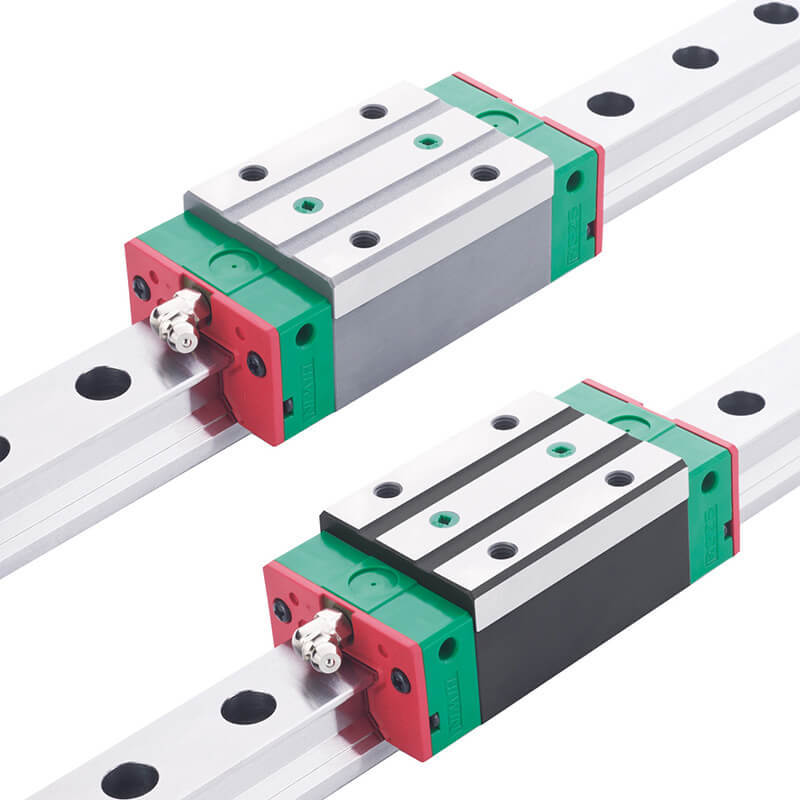
Linear guides are indispensable components in mechanical equipment, THK guides from Japan The stability and accuracy of their performance directly affect the overall performance of the equipment. When linear guides are worn or damaged, repair or replacement becomes crucial.
I. Common problems with linear guides
Before starting to repair or replace linear guides, we need to understand common linear guide problems. These problems may include wear, corrosion, breakage, etc. The occurrence of these problems is often due to long-term equipment use, improper maintenance, or harsh use environments.
II. Repair steps for linear guides
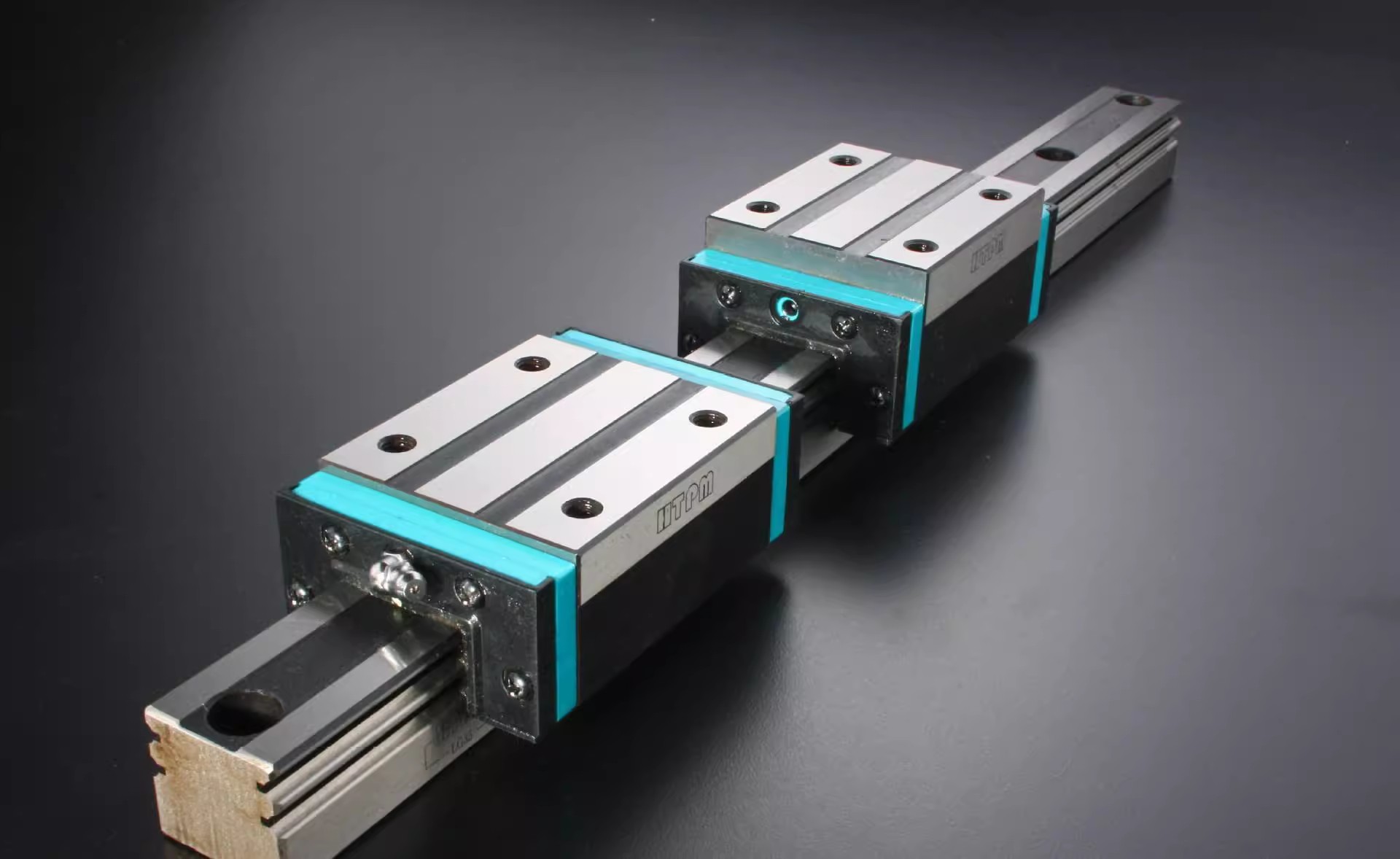
1. Assessment and diagnosis: First, a comprehensive assessment and diagnosis of the linear guide is needed, HTPM slide rail to determine the specific cause and extent of the problem. This includes checking the degree of wear, corrosion, and breakage of the guide.
2. Cleaning and preparation: During the repair process, it is necessary to ensure that the work area is clean and that the necessary tools and materials are prepared. At the same time, it is also necessary to clean the guide to remove oil stains, dust, and other impurities.
3. Repair or replacement of components: HIWIN linear guide Based on the results of the assessment and diagnosis, it may be necessary to repair or replace parts of the guide. Repair may include grinding, trimming, etc., while replacement requires removing the damaged part and installing a new guide.
4. Adjustment and testing: After the repair or replacement is completed, the guide needs to be adjusted to ensure that it is properly matched with other parts of the equipment. Then, testing is conducted to ensure that the guide runs smoothly and without noise.
III. Replacement steps for linear guides
1. Purchase new guide: According to the model and specifications of the equipment, select a suitable new guide. Ensure that the dimensions, AirTAC linear guide accuracy, and other parameters of the new guide match the original guide.
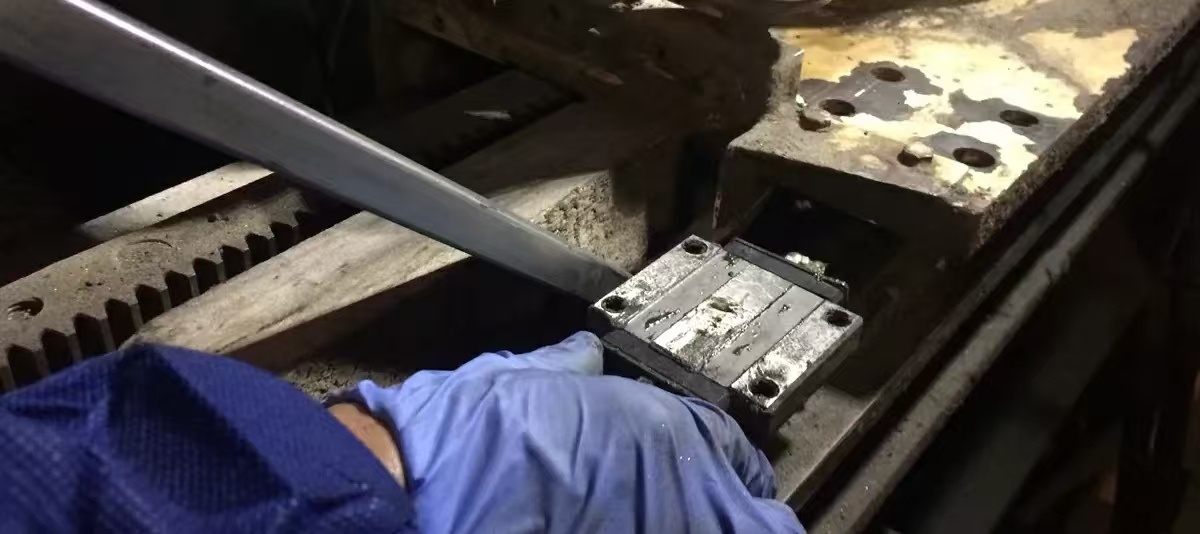
2. Remove the old guide: During the replacement process, the old guide needs to be removed. This usually requires professional tools and equipment, and ensures that other components are not damaged during the operation.
3. Install the new guide: Install the new guide onto the equipment. During the installation process, ensure that the position and angle of the new guide are correct, and that it matches with other parts of the equipment.
4. Adjustment and testing: After installation, necessary adjustments and testing should be carried out to ensure that the new guide runs smoothly and without noise.
Latest News

 2025-01-08
Get a Free Consultancy


No. 39, Life Second Road, Dalian Economic and Technological Development Zone, 8-5
Copyright © 2025 Maoming Precision Machinery (Dalian) Co., Ltd. All Rights Reserved.