


Basic knowledge of ball screw
Publish Time:
2024-09-09
Ball screws are common transmission components widely used in various mechanical equipment. They convert rotary motion to linear motion through the rolling of balls, featuring high efficiency, high precision, and high load-bearing capacity. This document will detail the fundamentals of ball screws.
I. Components of a Ball Screw
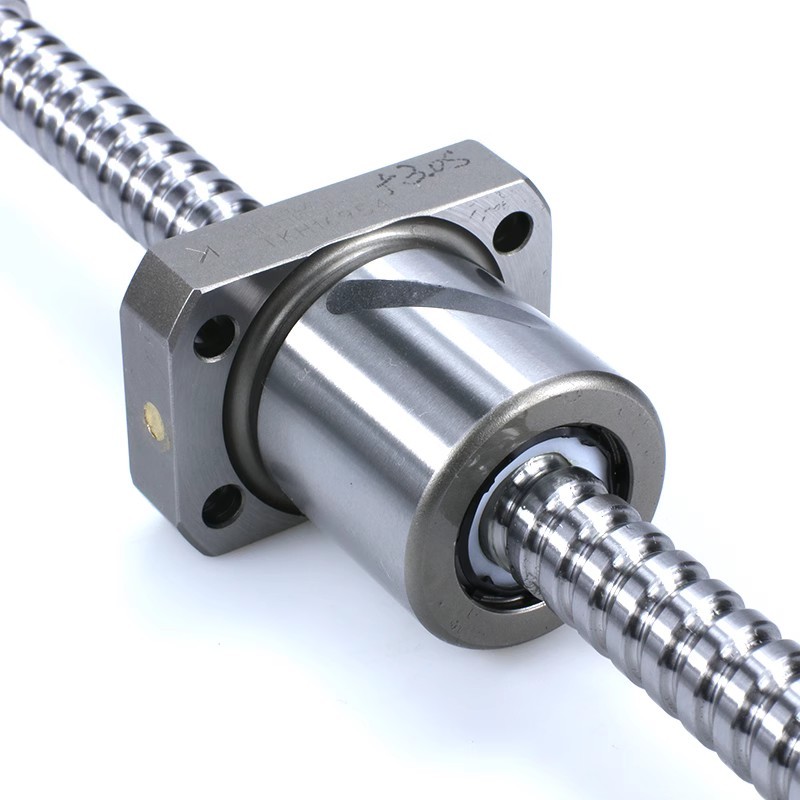
A ball screw mainly consists of a screw shaft, nut, balls, and a ball return mechanism. The screw shaft is a shaft with helical grooves, Japanese original THK trapezoidal screw Its surface is hardened to improve wear resistance. The nut has an embedded ball recirculation circuit; rotation of the nut drives the balls to roll within the helical grooves, achieving axial movement.
II. Working Principle
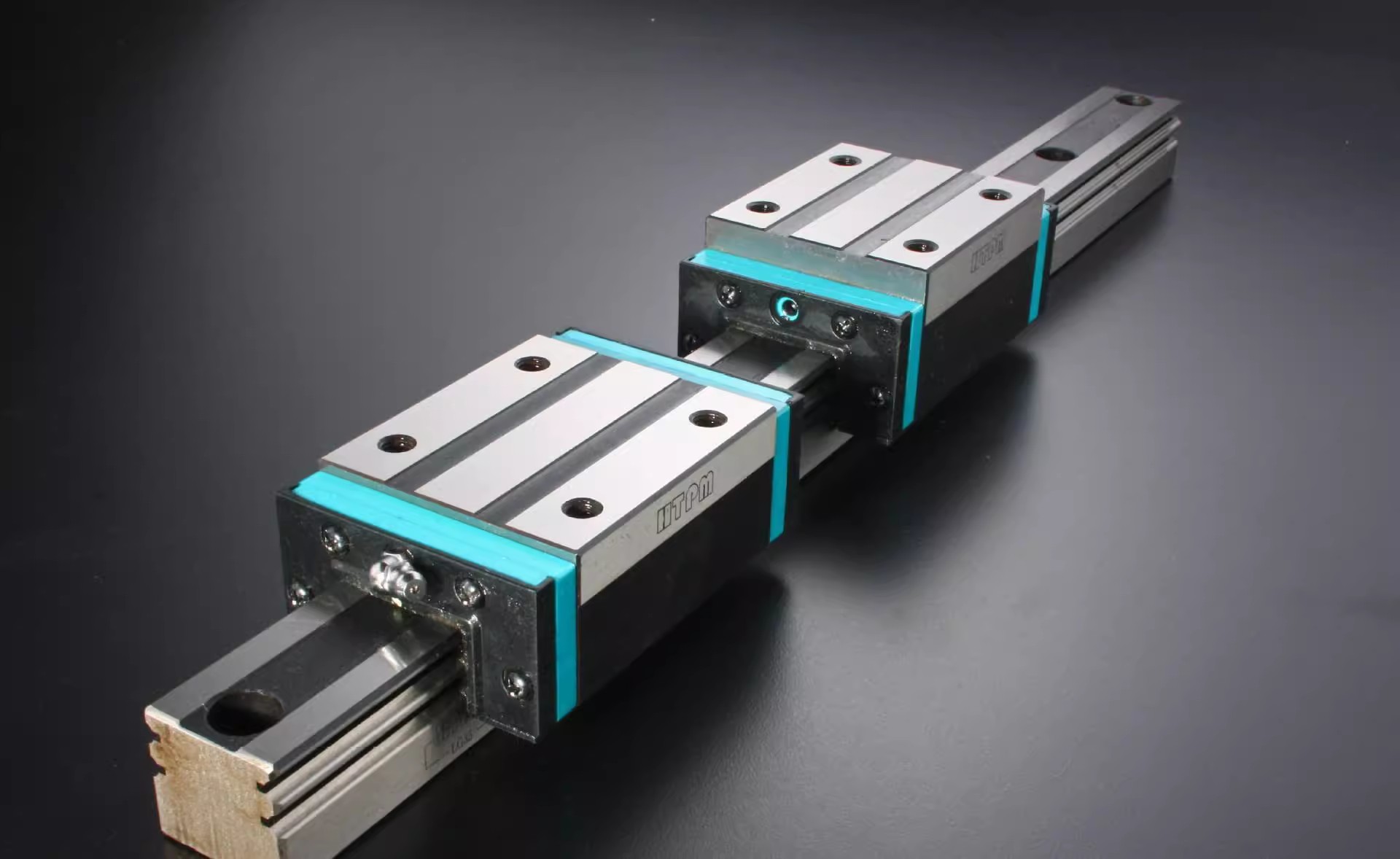
Ball screws utilize the rolling of balls within helical grooves to transmit power, HTPM Kate screw guide slide thus converting rotary motion to linear motion. When the screw shaft rotates, the balls in the nut recirculate within the helical grooves, driving the nut to move axially along the screw shaft. Due to the low rolling friction coefficient of the balls, ball screws possess high transmission efficiency and precision.
III. Features and Applications
1. High Efficiency: Ball screws use rolling friction, resulting in higher transmission efficiency compared to sliding friction.
2. High Precision: Ball screws offer high transmission precision, meeting the needs of high-precision mechanical equipment.
3. High Load-Bearing Capacity: Ball screws have a high load-bearing capacity, suitable for various heavy-duty applications.
4. High Interchangeability: The components of ball screws have high interchangeability, facilitating maintenance and replacement.
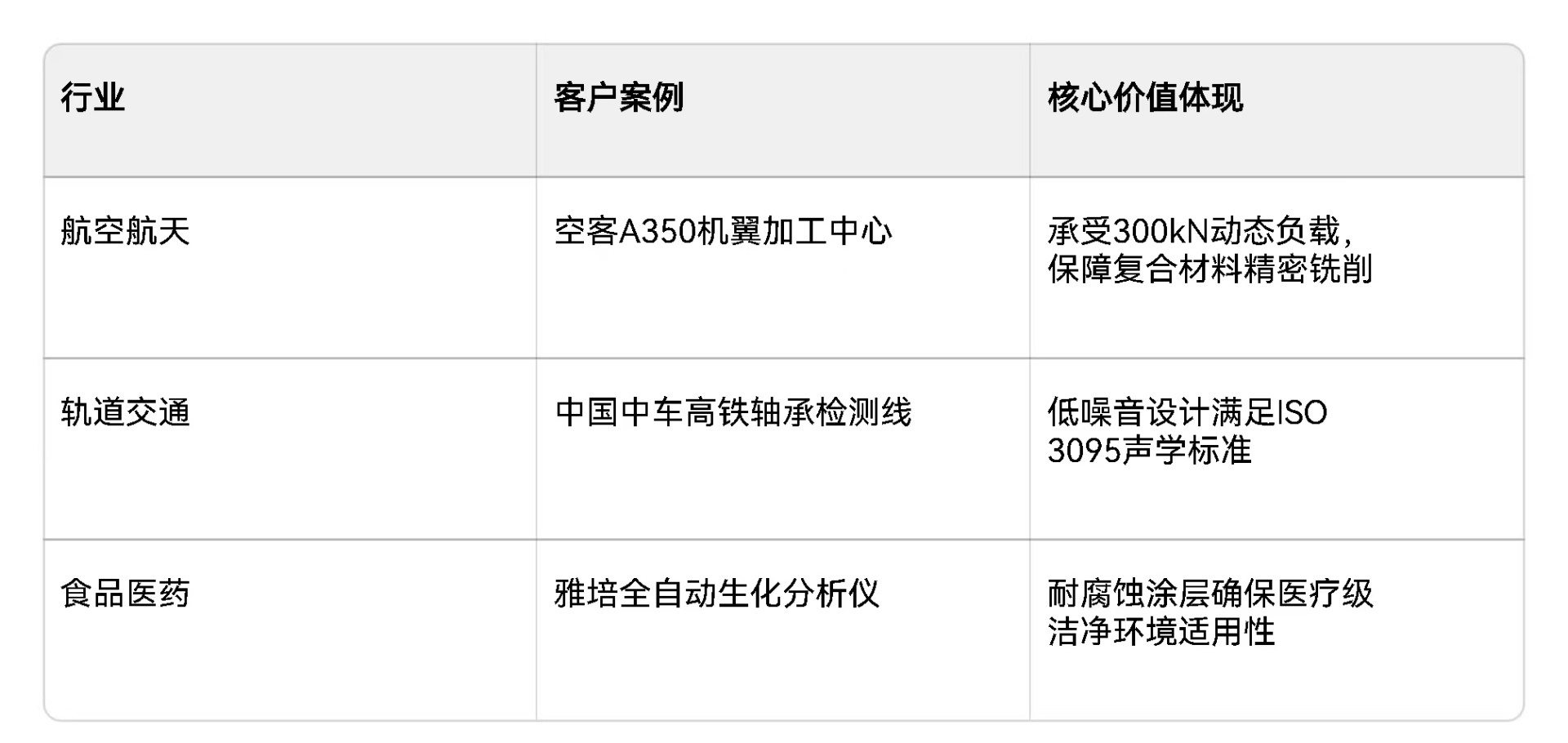
Ball screws are widely used in machine tools, precision instruments, automated equipment, and medical devices. HIWIN screw For example, in machine tools, ball screws are often used to achieve linear movement of the tool holder, improving machining precision and efficiency.
IV. Usage and Maintenance
When using ball screws, note the following points:
1. Maintain Cleanliness: Regularly clean the ball screw and its surrounding area to prevent ball jamming or wear.
2. Proper Lubrication: Regularly lubricate the ball screw to reduce friction and wear.
3. Avoid Overload: Avoid subjecting the ball screw to excessive loads to prevent damage or failure.
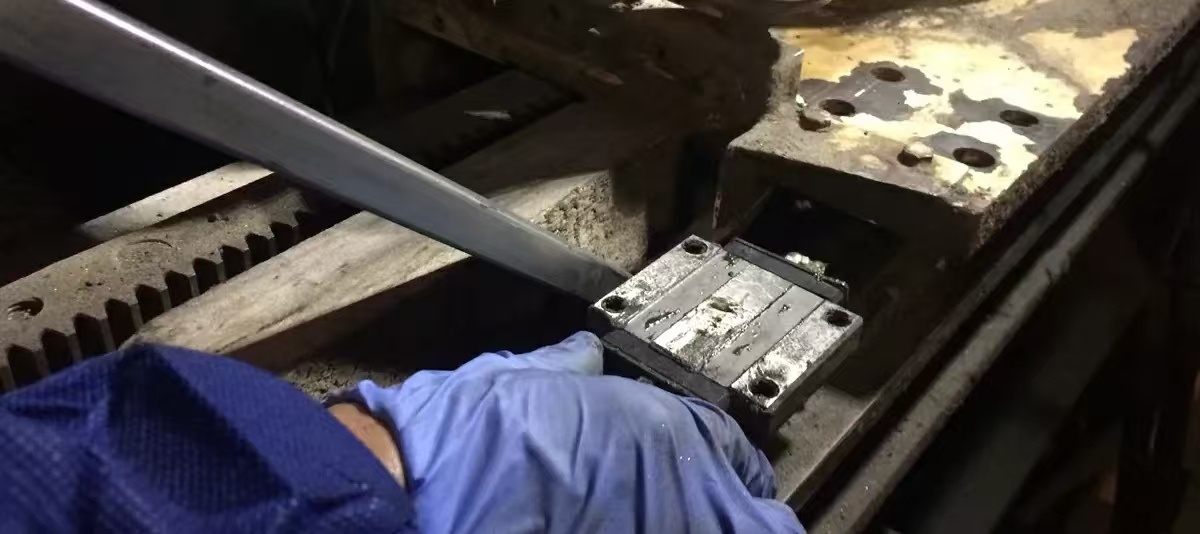
4. Inspect Fasteners: Regularly check the ball screw fasteners for looseness or damage; tighten or replace as needed.
During maintenance, regularly inspect the wear of each component; replace severely worn components promptly. Also, keep the ball screw and its surroundings clean and lubricated to extend its lifespan.
Latest News

 2025-01-08
Get a Free Consultancy


No. 39, Life Second Road, Dalian Economic and Technological Development Zone, 8-5
Copyright © 2025 Maoming Precision Machinery (Dalian) Co., Ltd. All Rights Reserved.