


Basic knowledge of ball screw
Publish Time:
2024-09-23
Ball screws have many significant advantages. They offer high-precision transmission capabilities, enabling extremely fine and precise displacement. Taiwan HIWIN precision ball screws This makes them an indispensable key component in high-end equipment such as precision instruments and CNC machine tools. At the same time, they have high transmission efficiency, more effectively transferring power compared to some other transmission methods. Furthermore, ball screws have good rigidity and stability, able to withstand heavy loads while maintaining stable operation.
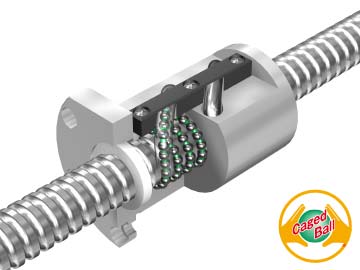
Ball Screw Structural Characteristics
1. Screw: Features high-precision, high-hardness surface treatment, Japan THK precision ball screws guaranteeing transmission efficiency and accuracy.
2. Nut: Internally designed with an annular raceway for ball circulation.
3. Balls: Roll between the screw and nut, reducing friction and improving transmission efficiency.
4. Return mechanism: Guides ball circulation, reducing ball wear.
Main Application Areas of Ball Screws
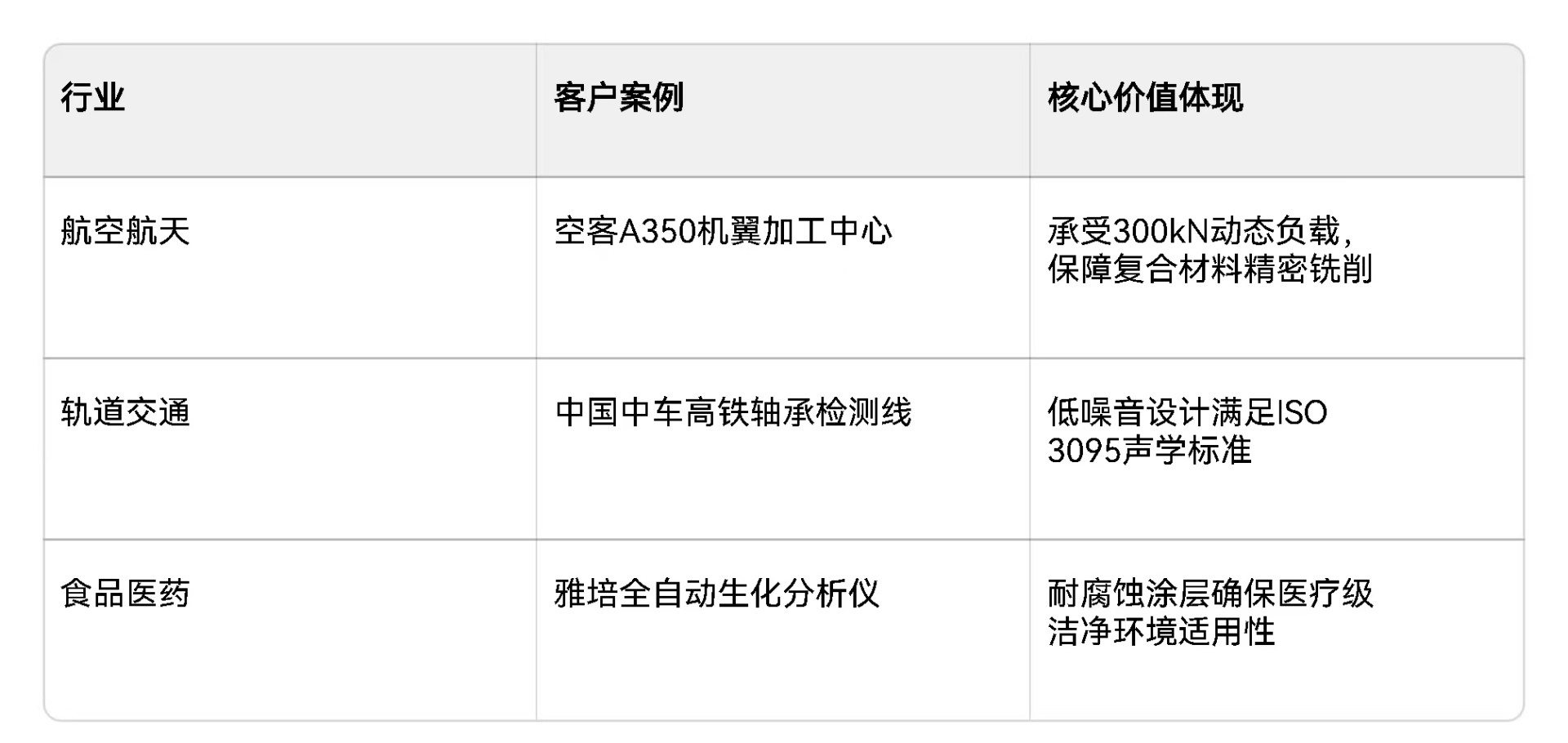
1. Industrial automation equipment: such as machine tools, CNC lathes, and machining centers.
2. Medical devices: such as precision testing instruments and medical analysis equipment.
3. Electronic equipment: such as radar positioning systems and aerospace equipment.
Precautions
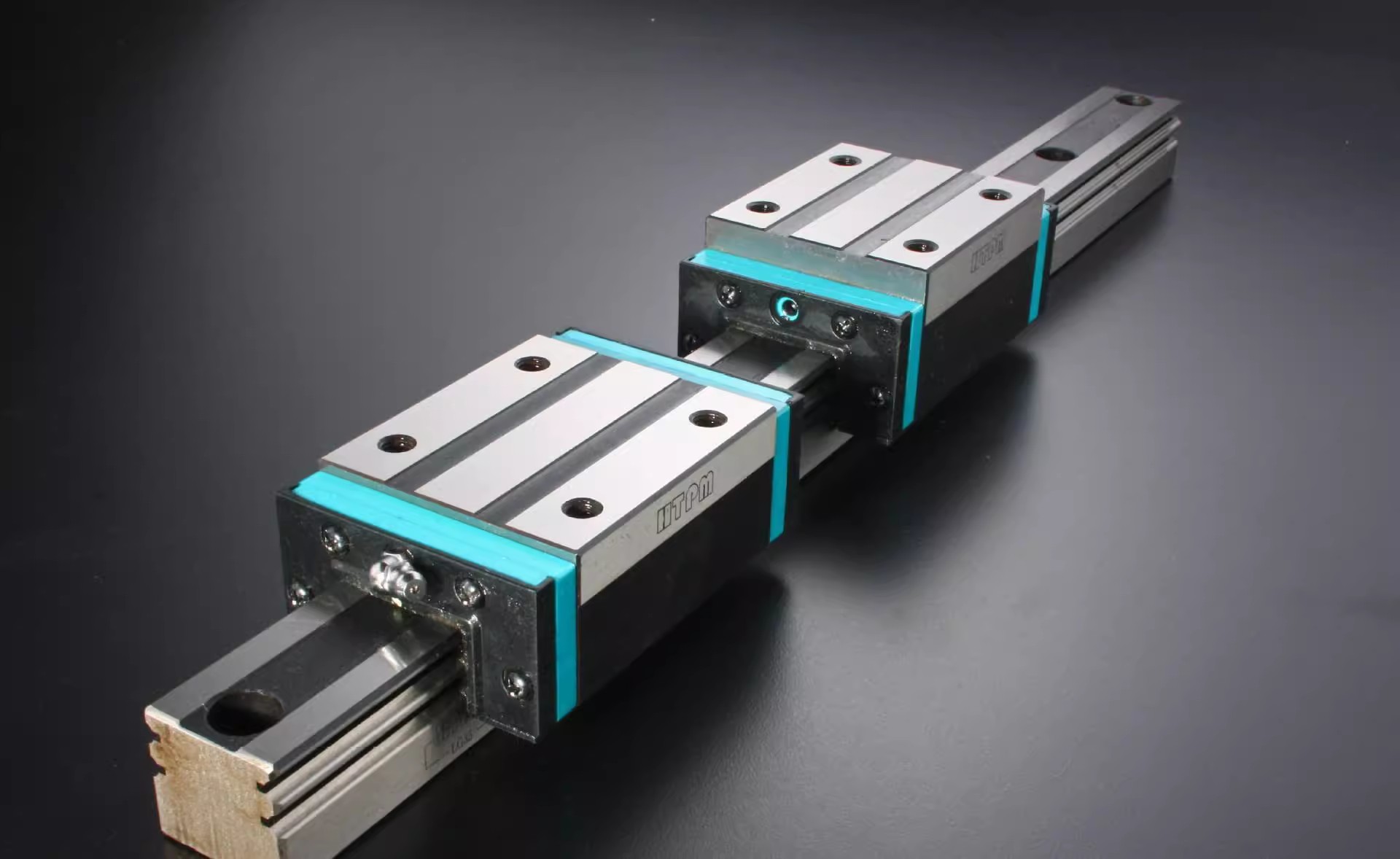
1. Keep the screw clean. Regularly clean dust, debris, etc., from the screw surface, HTPM ball screw preventing them from entering the screw interior and affecting operation.
2. Ensure good lubrication. According to usage, add appropriate lubricating oil or grease at the specified intervals, allowing the balls to roll smoothly on the screw, reducing wear.
3. Avoid overloading. Do not allow the screw to bear loads exceeding its capacity, preventing screw deformation or damage.
4. Ensure accuracy during installation and use. Avoid damage to the screw or reduced accuracy due to incorrect installation or operation.
5. Regularly check the running status of the screw, including any unusual noise or vibration. If problems are found, repair or replace damaged parts in time.
Simple Tips
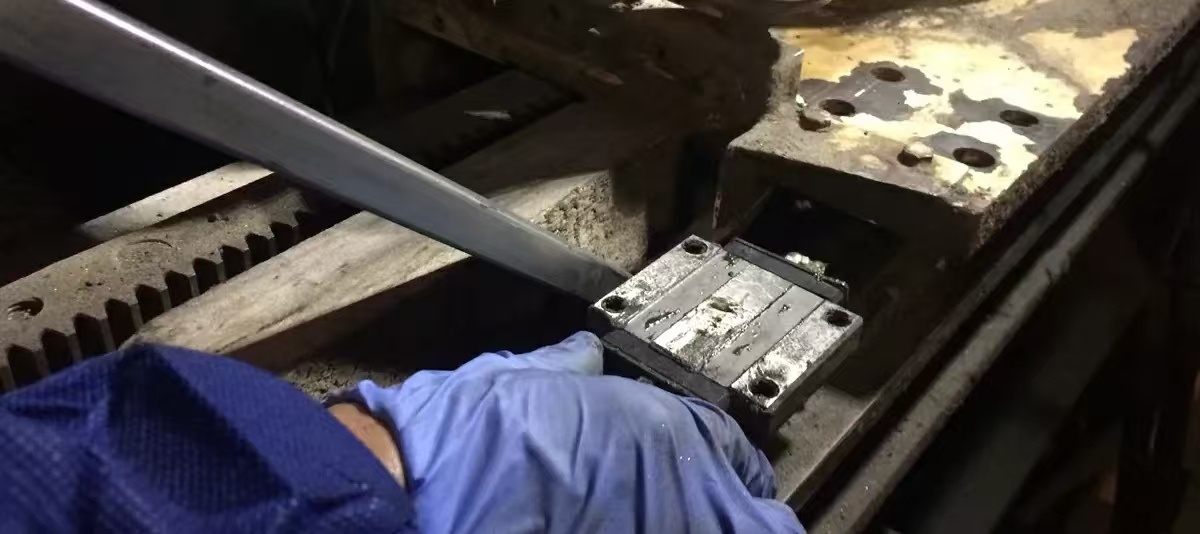
1. Visual inspection: Carefully check the screw surface for scratches, rust, bumps, etc.
2. Lubrication condition check: Observe whether the distribution of lubricating oil or grease is uniform and whether there is any lack of oil. If the lubricant turns black or its viscosity decreases, it may indicate that the lubricant has aged or worn out and needs to be replaced with new lubricant.
3. Smoothness of movement check: Manually rotate the screw or drive its movement to feel for any jamming or unevenness.
4. Noise check: Listen for any unusual noise during operation, which may indicate a malfunction. If you hear unusual noises during operation, such as hissing or friction sounds from the bearings, this may indicate poor lubrication and needs immediate lubrication inspection.
5. Accuracy check: Use special testing tools or compare with standard parts to check whether the positioning accuracy and repeatability of the screw have changed.
6. Gap check: Check for any abnormal gaps between the screw and nut.
Latest News

 2025-01-08
Get a Free Consultancy


No. 39, Life Second Road, Dalian Economic and Technological Development Zone, 8-5
Copyright © 2025 Maoming Precision Machinery (Dalian) Co., Ltd. All Rights Reserved.