


How do the slider and clamp work together?
Publish Time:
2024-12-02
The collaborative process of a slider and a clamp can be described in the following scenario:
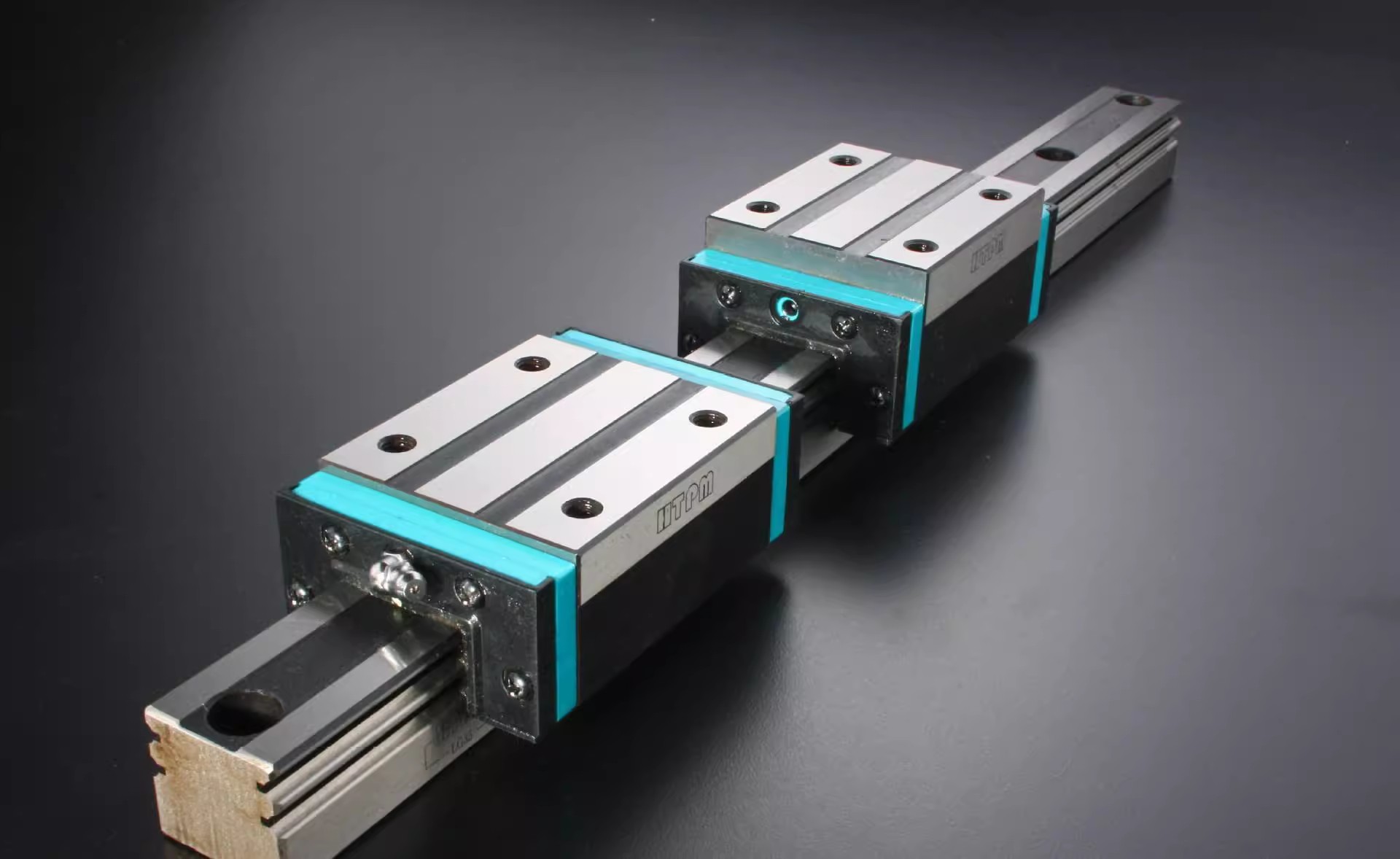
In a complex mechanical system, the slider usually moves along linear guide rails Its movement is a crucial part of the system's operation. The clamp, like a vigilant guardian, is responsible for fixing the slider's position when necessary, ensuring the system's stability and accuracy. Common brands we see include Kate linear guide rail sliders and their relationship with Kate clamps.
When the slider moves along HTPM rails smoothly, performing its preset actions, the clamp remains relaxed, not impeding the slider's movement. This relaxed state ensures that the slider can move freely on Kate rails to perform its intended function.
However, when the system requires the slider to stop at a specific position and remain stable, the clamp will act quickly and precisely. It will firmly lock the slider, preventing it from moving along linear guide rails any further. This locking function is achieved through the clamp's internal mechanical structure, which can adjust its internal clamping force to meet the needs of different working conditions.
Specifically, the clamp may achieve slider locking through pneumatic, hydraulic, or manual operation. For example, in some cases, the clamp may use pneumatic expansion to clamp the slider, achieving a fixed effect. In other cases, manual operation may be required to lock the clamp.
This collaborative mode allows the slider and clamp to perform optimally under different working conditions. When the slider needs to move freely, the clamp remains relaxed; when the slider needs to remain stable, the clamp quickly locks. This flexible coordination not only improves the stability and accuracy of the mechanical system but also makes the entire system more efficient and reliable.
Furthermore, the collaborative work of the slider and clamp reflects a common principle in mechanical design, namely, "providing necessary support when needed and remaining silent when not needed." This design principle allows the mechanical system to maintain optimal performance under different working conditions while reducing energy consumption and wear, extending the system's lifespan.
In summary, the collaborative work of the slider and clamp is a complex and delicate process. Through mutual cooperation, they achieve linear guide rails the stability and accuracy requirements of the mechanical system.
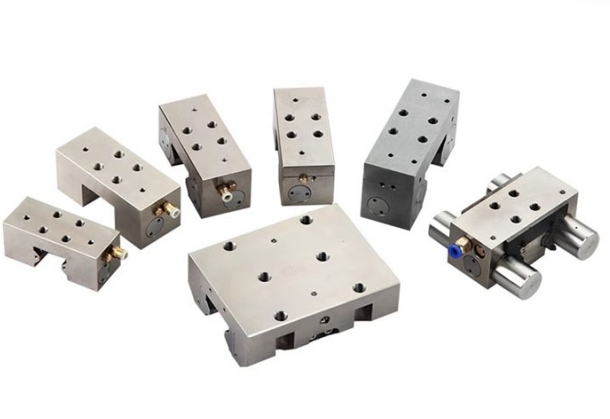

Clamping, slider, this kind of system needs to be implemented through working, locking
Latest News

 2025-01-08

Get a Free Consultancy


No. 39, Life Second Road, Dalian Economic and Technological Development Zone, 8-5
Copyright © 2025 Maoming Precision Machinery (Dalian) Co., Ltd. All Rights Reserved.