


Ball screw linear guide
Publish Time:
2024-10-30
A linear ball bearing guide is a mechanical device used to achieve linear motion. Below is a detailed introduction:
1. Working Principle:
• The working principle of a linear ball bearing guide is based on the infinite rolling circulation of steel balls between the slider and the guide, AirTAC Guide allowing the load platform to easily perform high-precision linear motion along the guide. The rolling friction of the steel balls replaces traditional sliding friction, reducing the coefficient of friction to one-fiftieth of that of traditional sliding guides, thus easily achieving high positioning accuracy.
2. Structural Composition:
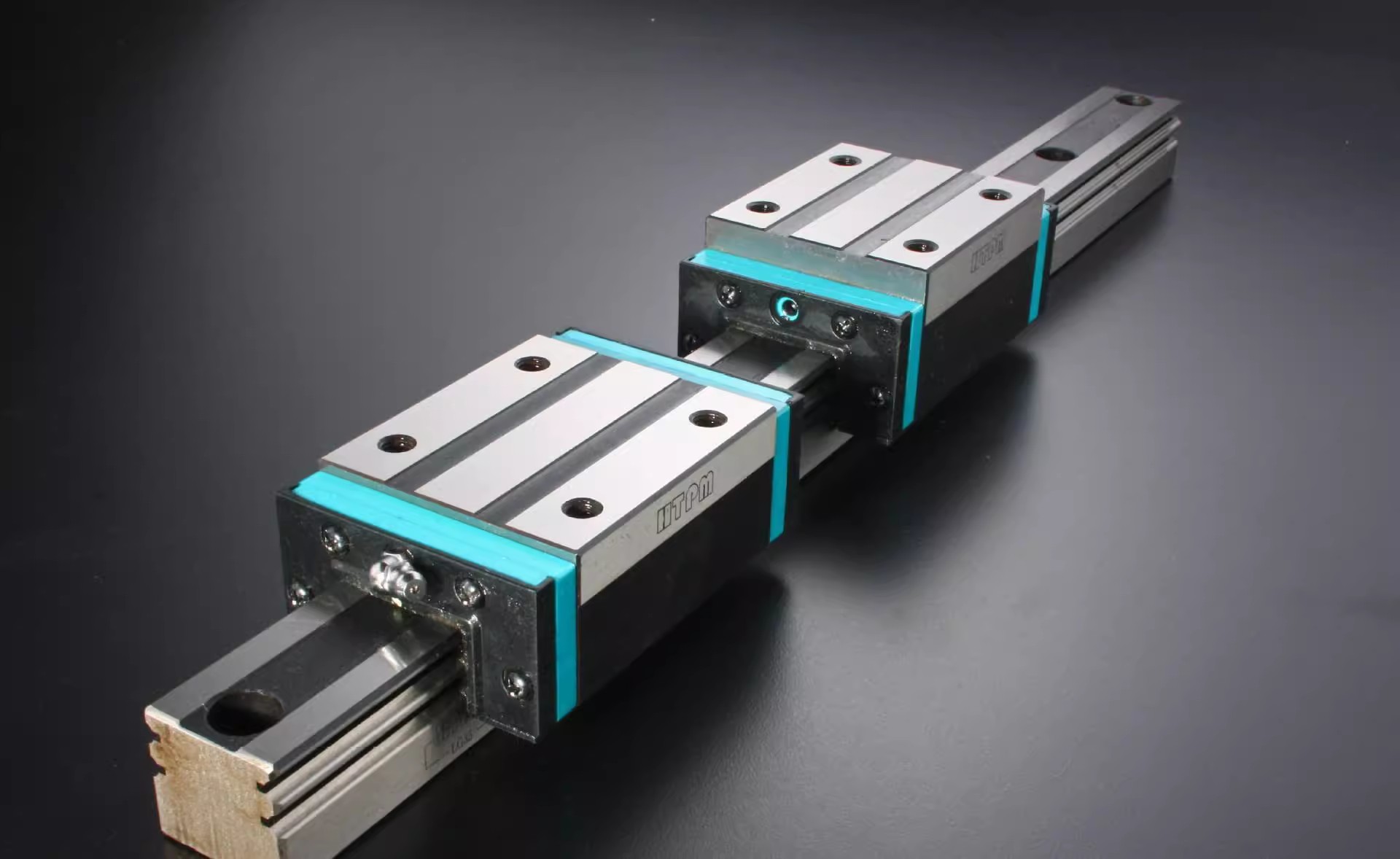
• Guide: This is the fixed part of the linear guide, usually made of high-strength alloy steel or stainless steel, precisely processed, AirTAC Guide with a high-precision linear groove on the surface to guide the movement of the slider.
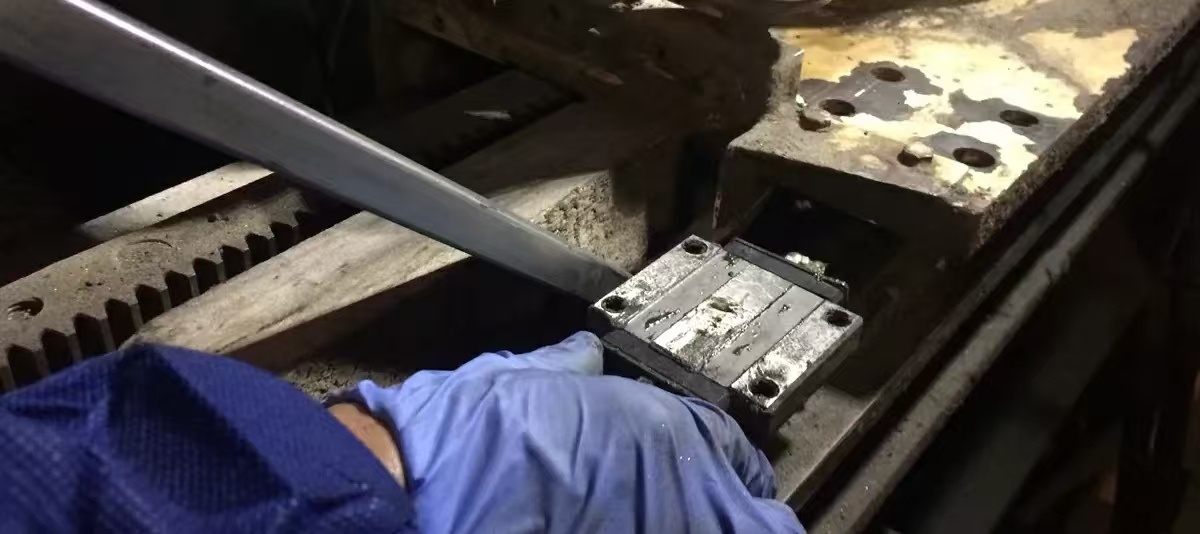
• Slider: This is the moving part of the linear guide, containing multiple steel balls inside. Through the contact between the steel balls and the guide, HTPM Linear Guide Slider the slider achieves linear motion on the guide. Seals are usually installed on the slider to prevent dust and impurities from entering the guide and affecting its performance.
• Steel Balls: These are the core components of the linear ball bearing guide, responsible for transmitting the load and achieving rolling motion. The quality and precision of the steel balls directly affect the performance and lifespan of the linear guide. High-precision bearing steel is generally used, and the balls undergo strict screening and grading.
• End Caps: Located at both ends of the slider, these fix the steel balls, preventing them from falling out, and providing sealing and dust protection.
• Oil Nozzle: Used to inject lubricating oil or grease into the linear guide to reduce friction between the steel balls and the guide, improving the lifespan and performance of the linear guide.
3. Features and Advantages:
• High-Precision Positioning: The rolling motion of the balls makes the slider's movement on the guide very precise, suitable for applications with strict positioning accuracy requirements, such as CNC machine tools and precision measuring equipment.
• High Rigidity and Load Capacity: Through reasonable design and manufacturing processes, linear ball bearing guides can withstand relatively large radial and axial loads, have high rigidity, and can ensure motion accuracy and stability under high loads.
• Low Coefficient of Friction: The rolling friction method results in a very low coefficient of friction for linear ball bearing guides, reducing energy loss, improving transmission efficiency, and reducing the demands on the drive system.
• Long Lifespan: Using high-quality materials and precise manufacturing processes, linear ball bearing guides have good wear resistance and fatigue resistance, a long lifespan, and can maintain stable performance over extended use.
• Easy Installation: They usually have standardized mounting holes and methods, making them easy for users to install and debug, saving installation time and costs.
4. Application Areas:
• CNC Machine Tools: Used for the linear motion of worktables, tool holders, and other components in CNC machine tools, enabling high-precision cutting processing.
• Industrial Automation: Widely used in automated production lines for handling robots, assembly machinery, and conveying equipment, improving production efficiency and product quality.
• Precision Measuring Equipment: Such as three-coordinate measuring machines, optical instruments, and laser measuring equipment, requiring high-precision linear motion to ensure measurement accuracy.
• Medical Equipment: In medical imaging equipment, surgical robots, and laboratory automation equipment, linear ball bearing guides provide smooth linear motion and precise positioning, improving the operating precision and reliability of the equipment.
• Printing Equipment: Used in the paper feed systems of printing machinery, enabling high-precision paper positioning and conveying to ensure printing quality and efficiency.
5. Installation and Maintenance Notes:
• Installation: Ensure that the guide and mounting base are flat and clean, preventing impurities from affecting the accuracy and lifespan of the guide; follow the manufacturer's installation instructions for fixing and adjustment, ensuring the parallelism and perpendicularity of the guide to ensure system operating accuracy.
• Maintenance: Regularly check and replenish lubricating oil or grease to maintain the good lubrication of the guide and balls, reducing friction and wear; regularly clean the guide surface and balls to prevent dust and impurities from entering and affecting motion performance and lifespan; regularly check the running status of the guide, promptly identify and resolve wear and looseness issues to ensure stable system operation.

Previous
Previous
Latest News

 2025-01-08
Get a Free Consultancy


No. 39, Life Second Road, Dalian Economic and Technological Development Zone, 8-5
Copyright © 2025 Maoming Precision Machinery (Dalian) Co., Ltd. All Rights Reserved.